From My Child Needs Special Education: Now What?
Does It TRAVEL?
Organize what you see before the next meeting
ParentsCaregivers
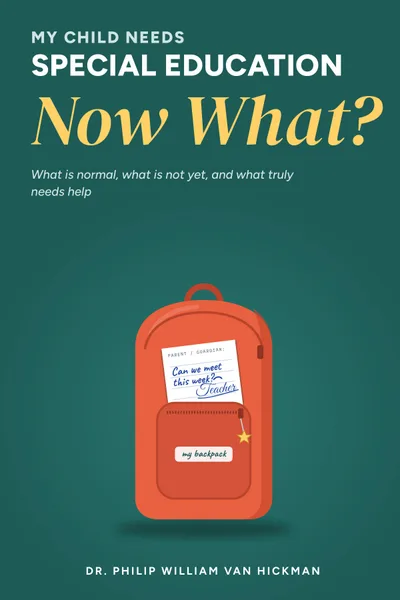
When a note comes home, the first thing a worried parent needs is not a test but a calm way to sort what you are seeing. This checklist walks you through the six letters of the TRAVEL test from my book so you can bring organized, dated observations to your child's school team or pediatrician. It does not diagnose anything, and it is not a reason to wait if something worries you.
- Pick one concern and describe it in plain words: what you see, not what you fear it means.
- For each letter, answer Yes, Partly (sometimes, or you are not sure yet), or No.
- Under any Yes or Partly, add a dated example. Dated observations are evidence.
- Look at how many letters you could answer Yes, then read the summary. The question is how many letters you have, not whether you have all six.
- Print the page for your child's school team or pediatrician, keep teaching a few minutes a night at home, and run it again in a few weeks.
Some things do not wait for a checklist. Any loss of a skill your child used to have, or any hearing or vision concern, means talk to your pediatrician now. If your child talks about hurting themselves, call their doctor today, and in the United States call or text 988. If there is immediate danger, call 911.
drphiliphickman.org · free tool
Does It TRAVEL? Observations for my child's team
Your results will appear here as you go.
For reflection and conversation. Not a clinical, diagnostic, or legal measure. Only a qualified team can evaluate a child for a disability.
Saved in this browser only. Nothing is sent anywhere.